
Hunter Woodhall
USA | TRACK AND FIELD - 400M
Gold medalist at Paris 2024 Paralympics
Gold x1
Meet the competitors who prove that prosthetics enable extraordinary human performance. Gold medals, world records, and barrier-breaking achievements.
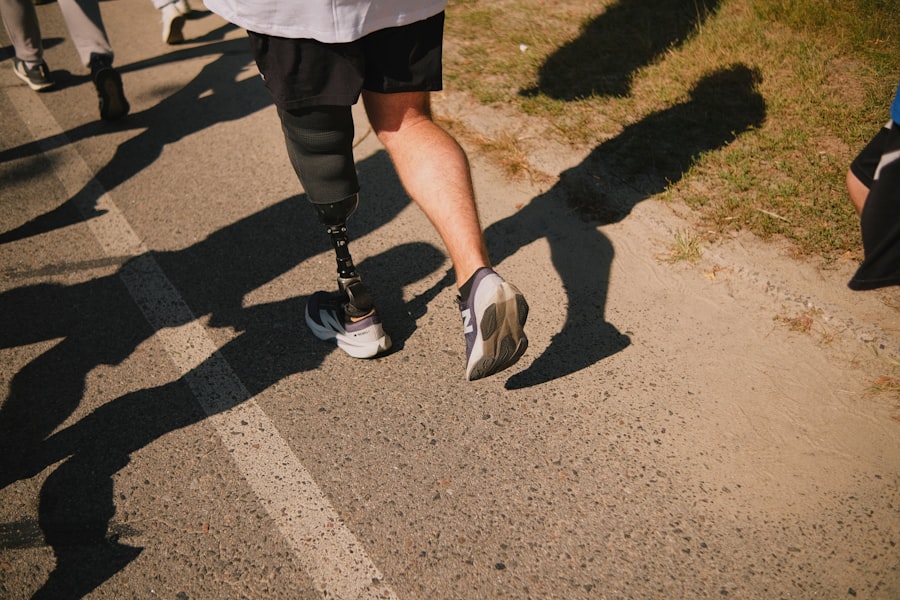
Athletes using prosthetics compete at the highest levels of sport and prove that prosthetics are empowering, not limiting. These competitors have earned gold medals, set world records, and shattered every expectation placed on them. Click "Learn More" on each athlete to read their full story.
Gold medalist at Paris 2024 Paralympics

Two gold medals at Paris 2024 at age 19

29 Paralympic medals across multiple Games

3 Paralympic medals, Dancing with the Stars finalist

Lost both legs climbing, now climbs harder routes than before
Most Paralympic swimmers actually do not use prosthetics when racing. The rules do not allow them. Instead, swimmers with limb differences learn specialized techniques to move powerfully through the water using their natural abilities and extraordinary determination.
The Paralympics started in 1960 in Rome, Italy. They take place every four years, right after the Olympic Games, in the same city and using the same venues. The word "Para" comes from the Greek word meaning "beside" -- the Paralympics run alongside the Olympics.
Athletes are placed into different classification categories based on their functional abilities, ensuring fair competition. For example, a runner with one prosthetic leg competes against other runners with similar abilities, not against runners with two prosthetic legs. This system ensures that medals are won through skill and training, not differences in physical condition.
Q1. How many Paralympic medals has Jessica Long won?
Q2. What does Hugh Herr design?
Q3. What happened 7 months after Amy Purdy lost her legs?